


How to make
Begin by preparing the choux pastry dough for the cake layers. In a saucepan combine the water, butter and salt. Heat the mixture over medium heat until the butter melts and the liquid begins to boil.
Remove the saucepan from the heat and add the flour all at once. Stir vigorously with a wooden spoon until a smooth dough forms. Return the pan to the stove and cook the dough for 1 to 2 minutes while stirring constantly until it begins to pull away from the sides of the pan.
Remove the dough from the heat and allow it to cool slightly for a few minutes.
Add the eggs one at a time, mixing thoroughly after each addition. Continue mixing until a smooth, thick and slightly sticky batter forms.
Divide the dough into two equal portions. Spread each portion onto separate baking trays lined with parchment paper. Do not smooth the surface completely. Instead leave the dough uneven and slightly textured so the baked layers form natural peaks and ridges.
Bake the layers in a preheated oven at 190°C (374°F) for about 25 to 30 minutes without opening the oven door during baking. Once baked, allow the layers to cool completely.
Next prepare the vanilla custard cream. Heat the milk in a saucepan until it becomes hot but not boiling.
In a bowl whisk the eggs with the sugar, cornstarch and vanilla extract until smooth.
Gradually pour the hot milk into the egg mixture while stirring constantly. Return the mixture to the saucepan and cook over medium heat while stirring continuously until the custard thickens.
Remove the custard from the heat and allow it to cool to room temperature. Once cooled, add the softened butter and beat the mixture until it becomes a smooth and fluffy cream.
To assemble the cake place one of the baked pastry layers into a baking pan. Spread the entire custard cream evenly over the layer.
Carefully place the second pastry layer on top, keeping the uneven surface facing upward.
Refrigerate the Karpatka cake for at least 4 to 6 hours so the cream sets and the cake becomes easier to slice.
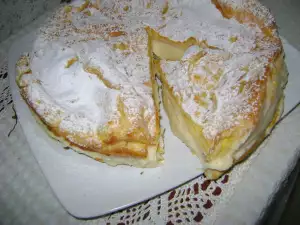
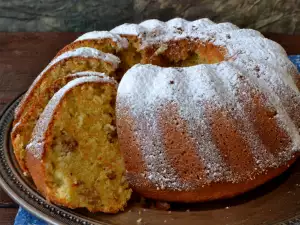
Before serving dust the cake generously with powdered sugar.
Traditionally Karpatka cake is not decorated. The uneven pastry surface and powdered sugar resemble snow-covered mountain peaks from the Carpathian Mountains.
Discover more classic European desserts on our website. You can also learn how to prepare the traditional Medovik cake, the beloved Pavlova meringue cake or the rich Garash chocolate cake.


Comments