Bonapeti.com»Recipes»Baked Goods»Fritters»Lokma - Classic Turkish Street Dessert

Lokma - Classic Turkish Street Dessert

Elena TodorovElena Todorov
Author
48486
Lokma - Classic Turkish Street Dessert1 / 3
The dessert has a long history in Ottoman cuisine and is still widely enjoyed across Turkey and the Middle East. Lokma is often prepared for celebrations, festivals and special occasions, and in some regions it is traditionally distributed to neighbors and passersby as a gesture of generosity.
Favorites
I made it
Add
Report
Preparation
25 min.
Cooking
25 min.
Тotal
50 min.
Servings
25
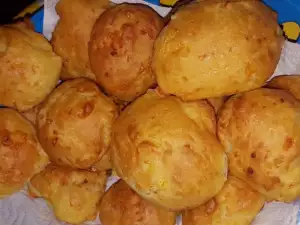
Lokma is a classic Turkish street dessert made of crispy fried dough balls soaked in sweet syrup or honey. Golden on the outside and soft inside, these treats are one of the most beloved in Turkish cuisine.

Ingredients

  • For the dough
  • flour - 500 g (17.6 oz)
  • dry yeast - 7 g (0.25 oz)
  • sugar - 1 tbsp
  • salt - 1/2 tsp
  • water, lukewarm - 400 ml (13.5 fl oz)
  • For the syrup
  • sugar - 500 g (17.6 oz)
  • water - 300 ml (10 fl oz)
  • lemon juice - 1 tbsp
measures

How to make

In a bowl the lukewarm water, yeast and sugar are mixed together. The mixture is stirred and left for about 10 minutes until the yeast becomes foamy.

The sifted flour and salt are added and mixed until a sticky dough forms. The bowl is covered with a towel and left to rise for about 1 hour.

Meanwhile the syrup is prepared. The sugar and water are placed in a saucepan and brought to a boil. The syrup is simmered for 8-10 minutes, then the lemon juice is added and the syrup is left to cool.

Oil is heated in a deep pan. Using a lightly oiled spoon or hands, small dough balls are formed and carefully dropped into the hot oil.

The lokma dough balls are fried until golden. They are removed from the oil and immediately dipped into the cooled syrup for 1-2 minutes.

The Turkish lokma doughnuts are served warm.

Learn also how to make other Turkish desserts such as Turkish poppy seed revani and the popular candied chestnuts.

Recipe FAQ

What is lokma?

Lokma is a traditional Turkish dessert made from yeast-leavened dough that is deep-fried into small balls and soaked in sugar syrup or honey.

What does the word “lokma” mean?

The word comes from Arabic and means “bite” or “morsel,” which perfectly describes these small sweet dough balls.

Is lokma similar to doughnuts?

Yes. Lokma is often compared to mini doughnuts because the dough is fried in oil until golden and crispy, then coated with syrup.

Where is lokma most popular?

Lokma is especially popular in Turkey and throughout the Middle East and Mediterranean regions, where it is commonly sold as street food.

How is lokma traditionally served?

It is usually served warm, soaked in syrup and sometimes sprinkled with cinnamon, nuts, or sesame seeds.

Why is lokma associated with celebrations?

In Turkey, lokma is often prepared and shared during religious events, celebrations, or charity gatherings as a gesture of generosity and remembrance.

What texture should perfect lokma have?

Well-made lokma should be crispy and golden on the outside while remaining soft and airy on the inside.

Can lokma be made without yeast?

Some modern recipes use baking powder instead of yeast, but the traditional version relies on yeast to create its light texture.

How long does lokma stay fresh?

Lokma tastes best immediately after frying and soaking in syrup, while it is still warm and crispy.

Are there variations of lokma?

Yes. In modern versions, lokma may be topped with chocolate sauce, pistachios, coconut, or filled with cream.

Lokma is a traditional Turkish dessert consisting of small fried dough balls soaked in sweet syrup.

In recent years, lokma has gained popularity in dessert shops and street food markets in the United States and the United Kingdom, where it is sometimes served with chocolate, pistachios or cinnamon sugar. The contrast between the crispy exterior and the soft, syrupy interior makes it an irresistible sweet treat.

Rating

5
51
40
30
20
10
Give your rating:
Facebook
Favorites
Twitter
Pinterest