Bonapeti.com»Recipes»Desserts»Treats»Butter Cookies»Authentic Polvorones Cookies

Authentic Polvorones Cookies

last modified:
Yordanka KovachevaYordanka Kovacheva
Author
3k817k
Authentic Polvorones Cookies
Image: Yordanka Kovacheva
1 / 7
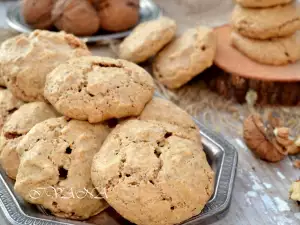
In the United States and United Kingdom, polvorones are often compared to shortbread cookies but with a much softer and more crumbly texture thanks to the use of toasted flour and lard.
Favorites
I made it
Add
Report
Preparation
20 min.
Cooking
35 min.
Тotal
55 min.
Servings
20
Make traditional Spanish polvorones - crumbly Christmas cookies made with toasted flour, lemon zest and spices. A classic holiday dessert.

Ingredients

  • flour - 375 g (13.2 oz)
  • sugar - 150 g (5.3 oz)
  • lard - 180 g (6.3 oz), room temperature
  • lemon - zest of 2 small/medium lemons
  • cinnamon - pinch
  • ground cloves - pinch
  • powdered sugar - for dusting (optional)
measures

How to make

Traditional Spanish Christmas cookies known as Polvorones are a beloved holiday dessert served throughout Spain during Christmas and New Year celebrations.

Begin by preparing the flour. Sift the flour into a wide baking tray and spread it evenly across the bottom.

Bake the flour in a preheated oven at 200°C (390°F) without a fan for about 9-10 minutes. Remove the tray, stir the flour well and spread it evenly again. Return it to the oven and bake for another 9-10 minutes. The flour should become lightly toasted but not dark. Keep an eye on it, as ovens may vary.

Allow the toasted flour to cool completely. For best results, let it rest for several hours or even overnight.

In a blender or food processor grind the sugar together with the lemon zest (only the yellow part) until a fine lemon-scented sugar is formed.

In a large bowl combine the cooled flour, softened lard, sugar mixture, cinnamon and ground cloves. Mix gradually until a soft dough forms.

Shape the dough into a ball and roll it between two sheets of parchment paper until it reaches about 1.5 cm (0.6 inches) thickness.

Cut round cookies using a cookie cutter. Carefully lift them with a spatula and place them onto a baking tray lined with parchment paper. Gather the remaining dough scraps, roll again and cut until all dough is used.

Bake the cookies in a preheated oven at 200°C (390°F) for about 14-15 minutes.

When the polvorones come out of the oven, do not move them immediately because they are very fragile. Allow them to rest for at least 15-20 minutes until they cool and firm up.

Once fully cooled, dust them with powdered sugar if desired.

Store the cookies in a tightly sealed container to keep them fresh.

Don't miss our recipe for festive Spanish almond turrón, a classic holiday sweet enjoyed across Spain. See how to prepare delicious Spanish churros, perfect with hot chocolate. Make sure to try silky Crema Catalana, one of Spain’s most famous custard desserts.
Recipe FAQ

What are polvorones?

Polvorones are traditional Spanish Christmas cookies known for their soft, crumbly texture.

Why is the flour toasted first?

Toasting the flour gives the cookies their distinctive nutty flavor.

Can I substitute the lard?

Yes. Butter or vegetable shortening can be used, although traditional recipes use lard.

How long do polvorones stay fresh?

When stored in an airtight container, they can last for about one week.

Why are the cookies fragile after baking?

They need time to cool and firm up before being handled.

Can I add nuts to the recipe?

Yes. Many variations include almonds or hazelnuts.

Polvorones Tips

Toast the flour carefully

It should become lightly golden but not brown.

Let the flour cool completely

Warm flour will affect the texture of the dough.

Handle the cookies gently

They are very delicate when freshly baked.

Use parchment paper when rolling the dough

This prevents sticking and makes shaping easier.

Allow the cookies to rest

They become firmer and tastier after cooling.

Store in a sealed container

This keeps their crumbly texture intact.

Rating

5
51
40
30
20
10
Give your rating:
Facebook
Favorites
Twitter
Pinterest